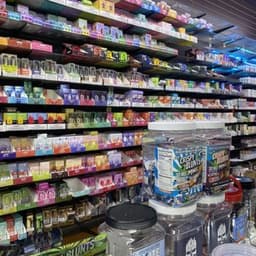
Tobacco land & Vape Shop sits at the intersection of Chapel Hill’s campus energy and neighborhood routine, serving residents, students, and visitors who are curious about cannabis in a state that’s still shaping its policies. In ZIP Code 27514, the conversation around cannabis revolves mainly around hemp-derived cannabinoids—think CBD and compliant, federally legal products—sold through retail storefronts like this one. That puts Tobacco land & Vape Shop in a unique position: it’s part of a traditional vape-and-tobacco retail category, yet it also acts as a local touchpoint for cannabis-adjacent education, labeling, and safe-use practices in a town that centers public health and compliance. If you’re weighing a trip, wondering how traffic feels around Chapel Hill’s busiest corridors, or trying to understand how locals typically buy legal cannabis here, this guide pulls together the practical details.
North Carolina’s cannabis landscape is straightforward in one way and nuanced in another. The state has not launched medical or adult‑use dispensaries for high‑THC cannabis. Instead, retail cannabis options exist largely under federal hemp rules, which allow products derived from hemp with no more than 0.3% Delta‑9 THC by dry weight. That legal framework governs how shops in Chapel Hill, including Tobacco land & Vape Shop, stock their shelves. You’ll commonly see CBD oils and tinctures, gummies formulated with cannabinoids derived from hemp, topical balms, capsules, and vape formats that stay within the 2018 Farm Bill’s compliance thresholds. Labeling matters here. Reputable retailers in 27514 typically display QR codes or printed certificates of analysis (COAs) from accredited labs, so customers can verify cannabinoid content, check for contaminants, and make a well‑informed decision. That’s become part of the buying ritual for local consumers, and staff in these shops are accustomed to explaining what the lab numbers mean and how to interpret milligrams per serving.
Because Chapel Hill doesn’t license dispensaries for high‑THC cannabis, locals have built their cannabis habits around hemp‑derived products. In practice, that means customers often start with CBD—sometimes full‑spectrum, sometimes broad‑spectrum—and branch out to other compliant cannabinoids if they’re looking for a different experience. Edibles with modest cannabinoid counts per piece are popular among residents who want a predictable onset and duration, while tinctures appeal to people who prefer titration by the dropper. Vapes and disposables are common for those who want faster onset and discrete use. Flower that’s compliant with federal hemp limits and “THCA hemp” labeled to reflect total Delta‑9 compliance may also appear at area counters, with staff emphasizing the regulatory line that keeps the product legal in North Carolina retail. Conversations at the register often include a reminder to start low and slow, an emphasis on not driving impaired, and a suggestion to keep products in their original packaging in case questions arise.
Tobacco land & Vape Shop’s connection to the neighborhood is practical as much as anything. The store’s customer base pulls from UNC‑Chapel Hill, nearby research hubs, and a spread of residential areas in 27514, including corridors along Franklin Street, Fordham Boulevard, Martin Luther King Jr. Boulevard, and Raleigh Road/NC‑54. That geography shapes how easy it is to drive there and where to park. In general, Chapel Hill traffic ebbs and flows with the university calendar. Weekday mornings from about 7:30 to 9:15 a.m. and late afternoons from roughly 4:00 to 6:00 p.m. bring heavier volumes on the main arteries, especially when classes are in session. If your route approaches the shop via I‑40, you’ll likely connect at Exit 270 onto US‑15‑501 South toward Chapel Hill or at Exit 273 onto NC‑54 West. The 15‑501 corridor, also known as Fordham Boulevard, is a central loop skirting much of the retail in 27514. From 15‑501, turns onto Franklin Street or Raleigh Road get you toward campus and downtown, while Ephesus Church Road and East Franklin Street carry you into the shopping centers of Blue Hill (formerly Ephesus‑Fordham) and Eastgate. Traffic on 15‑501 tends to be smooth in the late morning and early afternoon on weekdays, while weekend mid‑day can be busy with errands and dining.
Approaching from Durham, most drivers take US‑15‑501 South, cross I‑40, and continue on Fordham Boulevard. As you near Franklin Street, the right‑hand exits and signalized intersections can stack up during peak hours, so it’s wise to get into your turning lane early and watch for pedestrians. From Raleigh or RDU Airport, the most common approach is I‑40 West to Exit 273A onto NC‑54 West. NC‑54 funnels into Chapel Hill as Raleigh Road, then ties into Fordham Boulevard and Franklin Street. The signal timing at the Raleigh Road and Fordham Boulevard intersection causes waves of congestion right after the workday ends, but delays ease outside that window. From Hillsborough and the north, NC‑86 (Martin Luther King Jr. Boulevard) offers a direct route into town. MLK can be quicker than Franklin Street in the afternoon because it has fewer turns and curb cuts; it’s a good option if your destination sits on the north side of 27514.
Game days change traffic patterns. When UNC basketball packs the Dean E. Smith Center or football fills Kenan Memorial Stadium, inbound traffic to 27514 ramps up a couple of hours before tipoff or kickoff, and then outbound traffic surges immediately after the final horn. On those days, using I‑40 to Exit 270 and 15‑501 South is still efficient, but you’ll want to time your arrival well before the event or after the rush. Downtown Franklin Street also sees intermittent closures and detours for special events, which can affect left turns and street parking availability. If you’re flexible, the least stressful windows to drive in Chapel Hill are mid‑morning, early afternoon, and later evening when activity tapers off.
Parking depends on which retail cluster you plan to visit. Shopping centers along Fordham Boulevard and East Franklin Street typically offer surface‑lot parking without garage fees, and it’s usually straightforward to find a spot outside of peak weekend hours. Downtown parking near Franklin Street includes on‑street meters and town‑run decks. Rates are modest but enforced; it’s worth checking posted times if you plan to browse adjacent bookstores or grab coffee after your purchase. If you’d rather skip driving altogether, Chapel Hill Transit is fare‑free, which is a local point of pride. Routes like the D, F, and G lines blanket the Franklin Street and Fordham Boulevard corridors, and park‑and‑ride lots—Eubanks Road to the north, Jones Ferry in neighboring Carrboro, and Southern Village to the south—let you leave your car outside the busiest grid and hop a frequent bus. Those who bike will find marked lanes on MLK Jr. Boulevard and sharrows on parts of Franklin and Rosemary; racks are common outside commercial doorways. Ride‑hail drivers are familiar with campus and downtown; standard practice is to use signed pickup points to avoid blocking travel lanes.
Local health culture in Chapel Hill shapes the retail experience at Tobacco land & Vape Shop more than visitors might expect. The town and Orange County maintain smoke‑free and vape‑free rules in public buildings and many outdoor spaces, including parks and greenways. Retailers align with these ordinances through signage and by reinforcing where products can and cannot be used. Chapel Hill is also home to UNC Health and the UNC Gillings School of Global Public Health, which means the community has a deep bench of tobacco‑control initiatives and cessation resources. The UNC Tobacco Treatment Program operates through UNC Health to support nicotine cessation for those who want it, and QuitlineNC (1‑800‑QUIT‑NOW) is promoted in clinics and community centers across 27514. On the prevention side, Orange County’s health department and school partners routinely run educational campaigns on youth access and retailer compliance. It’s worth noting an interesting local connection: Chapel Hill is the headquarters of Counter Tools, a public health nonprofit that grew out of UNC research and supports healthier retail environments for tobacco and vape products nationwide. The presence of that organization has contributed to an informed local dialogue about age restrictions, product placement, and ID verification. In a town with that profile, shops like Tobacco land & Vape Shop tend to be meticulous about checking IDs, clarifying product contents, and discussing safe storage and use.
Those community features spill into how locals actually buy legal cannabis. The purchase journey usually starts with a question: what are you looking to feel, and how quickly? Staff then translate that into formats—gummies for gradual onset and longer duration, tinctures for flexible dosing, vapes for fast onset, topicals for targeted application. In 27514, shoppers are savvy about milligrams and typically ask for specifics, such as 5 to 10 mg per serving for a first‑time edible or a lower‑concentration tincture to titrate. Consumers also request certificates of analysis and look for QR codes that connect to batch‑specific test results. If a product includes minor cannabinoids, customers ask how they’re derived and how those compounds might interact with CBD. Because campus policies prohibit cannabis use on university property and many housing leases restrict smoking or vaping, locals pay attention to discretion—choosing edibles and tinctures for at‑home routines and keeping packaging sealed for the trip home. Payment is straightforward: unlike THC‑dominant cannabis markets that can be cash‑heavy, hemp retail in North Carolina often accepts standard payment methods, though it always pays to carry a card and a backup. Some shops in Chapel Hill operate with “order‑ahead” websites for same‑day in‑store pickup; whether Tobacco land & Vape Shop offers that on any given day is best confirmed by calling the store or checking its most current online presence, as hours and menus can shift over academic and holiday calendars.
Another local detail shapes buying decisions: many residents balance wellness routines with Chapel Hill’s emphasis on responsible transportation. Chapel Hill Transit’s fare‑free policy makes it easy to plan a visit without a car, which is useful if you’re purchasing products and intend to avoid driving afterward. UNC’s Point‑to‑Point (P2P) SafeRide service helps students move around after hours, and the town’s Vision Zero initiative aims to reduce traffic injuries across key corridors by improving crossings and signal timing. Those safety layers make it more convenient to build cannabis—or more precisely, hemp‑derived cannabinoid—shopping into daily life without compromising on public safety.
There are also legal guardrails that shape the local buying culture. Retailers in Chapel Hill are careful to explain what’s inside the law and what’s not. High‑THC cannabis retail isn’t available in North Carolina, so Tobacco land & Vape Shop and similar stores in 27514 focus on compliant hemp products. Staff can explain the difference between Delta‑9 limits and total cannabinoids, and why an edible with 25 mg of CBD is legally different from one with 10 mg of Delta‑9 THC in a state with no licensed dispensaries. They’ll point out if a product contains compounds that can impair, and they’ll remind you not to drive after use. Residents who want access to state‑licensed dispensaries sometimes travel to other states for legal purchases, but transporting cannabis across state lines remains illegal, which is why many 27514 shoppers stick to compliant hemp offerings in town and rely on those for their daily routines.
If you’re planning the drive, anchoring your route by corridors helps. From I‑40 at Exit 270, the sequence into 27514 is simple: US‑15‑501 South, then a right toward Franklin Street for downtown storefronts or a left connection to East Franklin and the Fordham Boulevard retail arc. From Exit 273, NC‑54 West takes you in as Raleigh Road and lands you near campus in a few straight miles, with options to pivot onto Fordham Boulevard to reach Eastgate and Blue Hill. Coming from Carrboro, NC‑54 Business (East Main Street) becomes Franklin Street as you cross into Chapel Hill, and the road is walkable with short blocks and frequent crosswalks. Expect slower speeds and watch for cyclists and pedestrians near the stores and restaurants that draw foot traffic throughout the day. If a trip falls during UNC move‑in or move‑out weekends, build in extra time; traffic control officers often manage intersections and limit curbside stops to keep lanes moving.
What does a typical in‑store visit look like? At a counter like Tobacco land & Vape Shop, the first moment is ID verification. From there, staff answer product questions and, if you’re new, help you compare formats by onset time and duration. Experienced shoppers often go straight for a known gummy, a preferred tincture strength, or a specific vape profile from a brand they trust, while asking what’s new on the shelf. If you care about third‑party testing, ask to scan a QR code with your phone so you can save the COA for reference later. If you’re sensitive to ingredients, check sweeteners, carriers (such as MCT oil in tinctures), and flavorings. For edibles, locals typically choose a serving size aligned with plans for the day or evening and continue to “start low and go slow,” since individual response varies. Packaging that re‑seals with a child‑resistant closure is standard. Staff will bag your purchase and you’re on your way; if you’ve parked in a timed spot downtown, you’ll appreciate that the process is efficient.
One aspect that stands out in Chapel Hill is how public health, retail habits, and transportation all reinforce one another. The town’s smoke‑ and vape‑free zones steer consumption back home or to private spaces. The university environment creates predictable surges in foot and car traffic that you can plan around. Free buses encourage people not to drink or consume and drive. And the research community’s proximity means consumers come in with questions about quality and testing. The result is a cannabis retail environment—again, hemp‑derived in North Carolina—that prizes clarity: clear labels, clear laws, clear routes, and clear expectations about responsible use.
If you’re coming in from out of town, using landmarks makes navigation easier. The Franklin Street spine runs east‑west through the heart of Chapel Hill, with campus on one side and retail on the other. Martin Luther King Jr. Boulevard traces the north side and feeds into neighborhoods around Timberlyne and Estes Drive. Fordham Boulevard (US‑15‑501) forms a semicircle to the east and south, tying together Raleigh Road/NC‑54 and East Franklin Street and connecting to shopping centers where tobacco, vape, and hemp retailers commonly cluster. University Place, the redeveloped mall site near Estes and Fordham, adds another node of retail that’s easy to reach from either direction. If you see traffic backup on Franklin, MLK often provides a faster alternate with fewer stops, and you can cut back toward your destination on Estes or Eubanks depending on where you’re headed.
Community‑minded details round out the picture. Chapel Hill’s Good Neighbor Initiative, supported by the university and local partners, encourages residents and students to keep a considerate balance in mixed neighborhoods—something that intersects with cannabis culture when it comes to noise, litter, and late‑night comings and goings. Town boards and the Orange County Health Department maintain active calendars and sometimes include updates that are relevant to tobacco and vape retailers, such as ordinance changes or compliance reminders. Those updates filter into daily operations at shops around 27514, and staff stay current so they can answer practical questions about where you can consume and how to store products safely, especially in households with kids or pets. It’s not unusual to see pamphlets or signage pointing to cessation resources for nicotine; while that may feel counterintuitive inside a vape shop, it reflects Chapel Hill’s broader
Pickup
Order ahead for in-store pickup
Verified
Licensed & verified dispensary
Claim your dispensary profile to connect your POS, sync your live menu, respond to reviews, and get analytics.
Browse the live menu to see exactly where to buy products today.
For use only by adults 21 years of age and older, or qualified patients as permitted by applicable state law. Keep out of reach of children. Cannabis may impair concentration, coordination, and judgment. Do not operate a vehicle or machinery under the influence of cannabis.